
KYOTO ECOSYSTEM
- Key Figures
- Kyoto Industry &
Innovation Regions - Why Kyoto Attracts the World
- Ecosystem
map - Innovation Community
- Influencer
- Kyoto Unique Venue
- Startup Visa
Key Figures of the Kyoto Ecosystem
-
Number of startups

650+
-
Number of startups originating from universities

250+
-
Number of venture capital

20+
-
Number of companies raising funds(2025)

50+
-
Amount of funds raised(2025)

150 Billion Yen+
-
Number of universities

43
-
Number of students

160,000+
-
Number of international students

12,000+
-
Number of researchers

37,000+
-
Research institutions in the Keihanna Science City area

150+
Objective
The government, economic organizations, industrial support institutions, universities, financial institutions, etc. will work together to create an environment that fosters entrepreneurs and promote a start-up ecosystem.
Activities
- 1Efforts to build a startup ecosystem
- 2Gathering and sharing information on support measures and promoting them domestically and internationally
- 3Fostering and supporting entrepreneurs
- 4Cooperation among ecosystems of Kyoto, Osaka, and Kobe
Organizations
Kyoto Industry & Innovation Regions
- A Hub of Creativity and Technology -
For over 1,200 years, Kyoto has been at the heart of Japan’s political, cultural, and industrial development.
Today, it continues to be a global hub of technology and innovation, supporting both Japan’s economy and industries worldwide.
Kyoto City, with a population of 1.45 million, is not only the heart of Kyoto Prefecture but also one of Japan’s leading academic hubs.
Home to around 150,000 students and top institutions like Kyoto University, this vibrant concentration of talent powers the city’s industry and innovation.

Kyoto has long been a source of globally acclaimed content, including films, anime, and games.
In Uzumasa, this creative legacy continues, with a concentration of film studios, production companies, university film departments, XR schools, and a wide range of content, DX, and IT-related businesses.

The JR Mukomachi Station area is emerging as a dynamic hub for Zero Emission Technology (ZET), driving innovation toward a decarbonized future. Through collaboration among Kyoto Prefecture, Mukō City, West Japan Railway Company, and the Bank of Kyoto, it fosters co-creation across industry, academia, and government.
At its core, ZET-BASE KYOTO supports startups and accelerates real-world implementation. The international conference “ZET-summit” further connects global leaders, sparking collaboration and sharing cutting-edge trends.

Kyoto Art & Technology Village (ATVK) is an open innovation hub that brings together Kyoto’s cultural and artistic strengths with cutting-edge technology.
It gathers diverse talent from Japan and around the world—including companies, universities, and research institutions—to foster co-creation at the intersection of art and technology. Through initiatives in areas such as femtech, child development, and smart housing, ATVK promotes collaboration, experimentation, and real-world implementation while addressing key social challenges.

Keihanna Science City brings together culture, research, and innovation across Kyoto, Osaka, and Nara.
Home to over 160 facilities and 12,000 professionals, it is a vibrant city where academia, industry, government, and residents collaborate to drive open innovation and community-based experiments.


Unique Characteristics of Kyoto’s Innovation Ecosystem
Kyoto's rich cultural heritage and popularity as a tourist destination can also benefit businesses. The city's status as a globally-renowned cultural icon can enhance brand recognition and attract customers who seek products and services with authenticity and high quality.
- • Kyoto was the capital of Japan for 1,000 years until about 150 years ago.
- • Population: approximately 1,440,000 people
- • Tourists: Over 50 million people per annum
Kyoto's unique blend of modernity and tradition offers an exceptional quality of life for executives, employees, and their families. The city is renowned for its cultural heritage including historic temples, gardens, and traditional tea ceremonies. The rich cultural tapestry creates a vibrant and inspiring environment, enhancing the overall well-being of individuals, and promoting creativity.


While traditionally known for its cultural heritage, Kyoto has also embraced technological advancements and innovation. Companies in technology-related industries can benefit from working with companies in Kyoto which provide products integrating Japanese tradition and modernity.
The city houses prominent research institutions, universities, and technology companies, fostering an environment that encourages cutting-edge research and development. This attracts global businesses seeking to collaborate with leading experts in various fields, including, electronics, biotechnology, and green technology.
- • Examples of global companies in Kyoto that integrate tradition and modernity:
KYOCERA Corporation / Nintendo Co., Ltd. / ROHM Co., Ltd. / SHIMADZU CORPORATION etc

electronics,
semiconductors,
robotics

Energy technologies,
EV, batterie

drug discovery,
medical devices

manga, anime,
games
One of the most crucial factors for the success of any business is access to a skilled and knowledgeable workforce. Kyoto boasts some of Japan's most prestigious universities, such as Kyoto University and Kyoto Institute of Technology. These powerful educational institutions produce a steady stream of highly-qualified graduates in various fields. This pool of talent spans across science, technology, engineering, arts, and mathematics (STEAM), offering global companies a diverse range of skills to meet their needs.
- • There are a total of 35 four-year universities and two-year colleges in the city.
- • 150,000 university students live in Kyoto City, accounting for 10% of the city's population.
Additionally, Kyoto's cultural and historical significance attracts a cosmopolitan population, fostering a global mindset among its residents. This cultural diversity enhances a company's ability to tap into a multicultural talent pool, facilitating effective international operations.
junior colleges in Kyoto

in universities and
junior colleges in Kyoto

graduate school to total population

Kyoto is not only steeped in tradition but also at the forefront of innovation. The city's commitment to preserving its heritage while embracing modern advancements creates a unique environment that encourages creativity and innovation. Global companies can benefit from Kyoto's thriving innovation ecosystem through.
Kyoto is home to numerous research institutions, technology hubs, and innovation centers that actively promote collaboration between businesses and academia. Global companies can leverage these connections to engage in research partnerships, access cutting-edge technologies, and stay ahead of industry trends.
Kyoto's start-up culture is flourishing, with numerous incubators and accelerators supporting entrepreneurial ventures. This provides global companies with opportunities to invest in promising start-ups or establish partnerships to foster innovation and growth.
Kyoto is home to many leading research institutes of Japan. This also stimulates industry-academia-government collaboration. Kyoto is an academic research city which has produced many Nobel Prize winners.
-
1949Hideki Yukawa(Physics)
-
1965Shinichiro Tomonaga(Physics)
-
1973Leo Esaki(Physics)
-
1981Kenichi Fukui(Chemistry)
-
1987Susumu Tonegawa(Physiology or Medicine)
-
2001Ryoji Noyori(Chemistry)
-
2002Koichi Tanaka(Chemistry)
-
2008Makoto Kobayashi(Physics)
-
2008Toshihide Maskawa(Physics)
-
2012Shinya Yamanaka(Physiology or Medicine)
-
2014IsamuAkasaki(Physics)
-
2016Yoshinori Ohsumi(Physiology or Medicine)
-
2018Tasuku Honjo(Physiology or Medicine)
-
2019Akira Yoshino(Chemistry)
-
2025Susumu Kitagawa(Chemistry)
-
2025Shimon Sakaguchi(Physiology or Medicine)
Japan used to be one of the most expensive countries in the world, but in recent years, it has become a relatively inexpensive. Also, compared to Tokyo, which has the highest cost of living in Japan, Kyoto is lower at the cost and has a comfortable environment to live in. For example, the rent is about half that of Tokyo.
The city's relaxed pace of life and proximity to natural landscapes, including picturesque mountains and forests, promote a healthy work-life balance that contributes to employee well-being and productivity. In addition, international schools, museums, and art galleries in Kyoto City provide a high-quality educational environment for children.


Kyoto enjoys a locational advantages within Japan, situated in the Kansai region, which includes major cities like Osaka and Kobe. The location provides access to a combined population of over 20 million people, making the city an ideal hub for businesses targeting both domestic and international markets. Furthermore, Kyoto is just a short Shinkansen (bullet train) ride away from Tokyo, Japan's economic and political center.
Kyoto's proximity to Asia's burgeoning markets is a significant advantage. With well-developed transportation infrastructure such as Kansai International Airport, global companies can efficiently connect with Asian markets including China, India, South Korea, and Southeast Asia. The geographical advantage enhances supply chain efficiency and facilitates international trade.

Ecosystem map
This map provides an overview of startups recommended by venture capitalists in Kyoto.
Click to visit the KYOTO STARTUP MAP

Venture capital firms listed on the map
- East Ventures / Strike
- Kyoshin Social Capital Co., Ltd.
- KYOCERA Corporation
- Kyoto Capital Partners Co., Ltd.
- Kyoto City Startup Support Fund
- Kyoto University Innovation Capital Co., Ltd. (KYOTO-iCAP)
- Global Brain Corporation
- Shimadzu Future Innovation Fund
- Skyland Ventures
- Seiho Investment Works Inc.
- 01Booster Capital Inc.
- Chushin Venture Capital Co., Ltd.
- toberu Fund I LP (toberu Fund)
- FVC Co., Ltd.
- Plug and Play Japan
- MIYAKO CAPITAL Co., Ltd.
- Monozukuri Ventures Corp.
- TAKARA HOLDINGS INC.
InnovationCommunity


Influencer
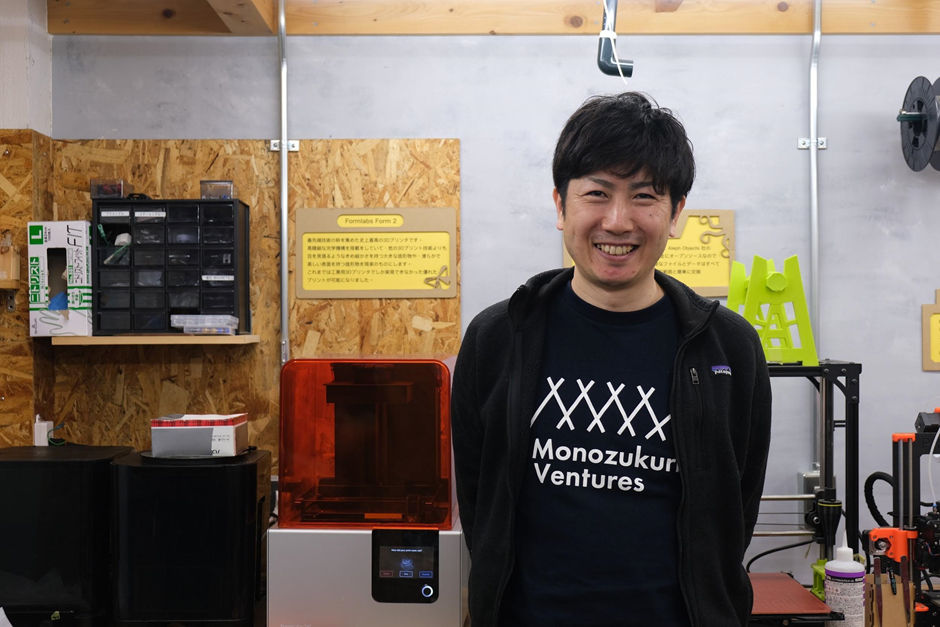
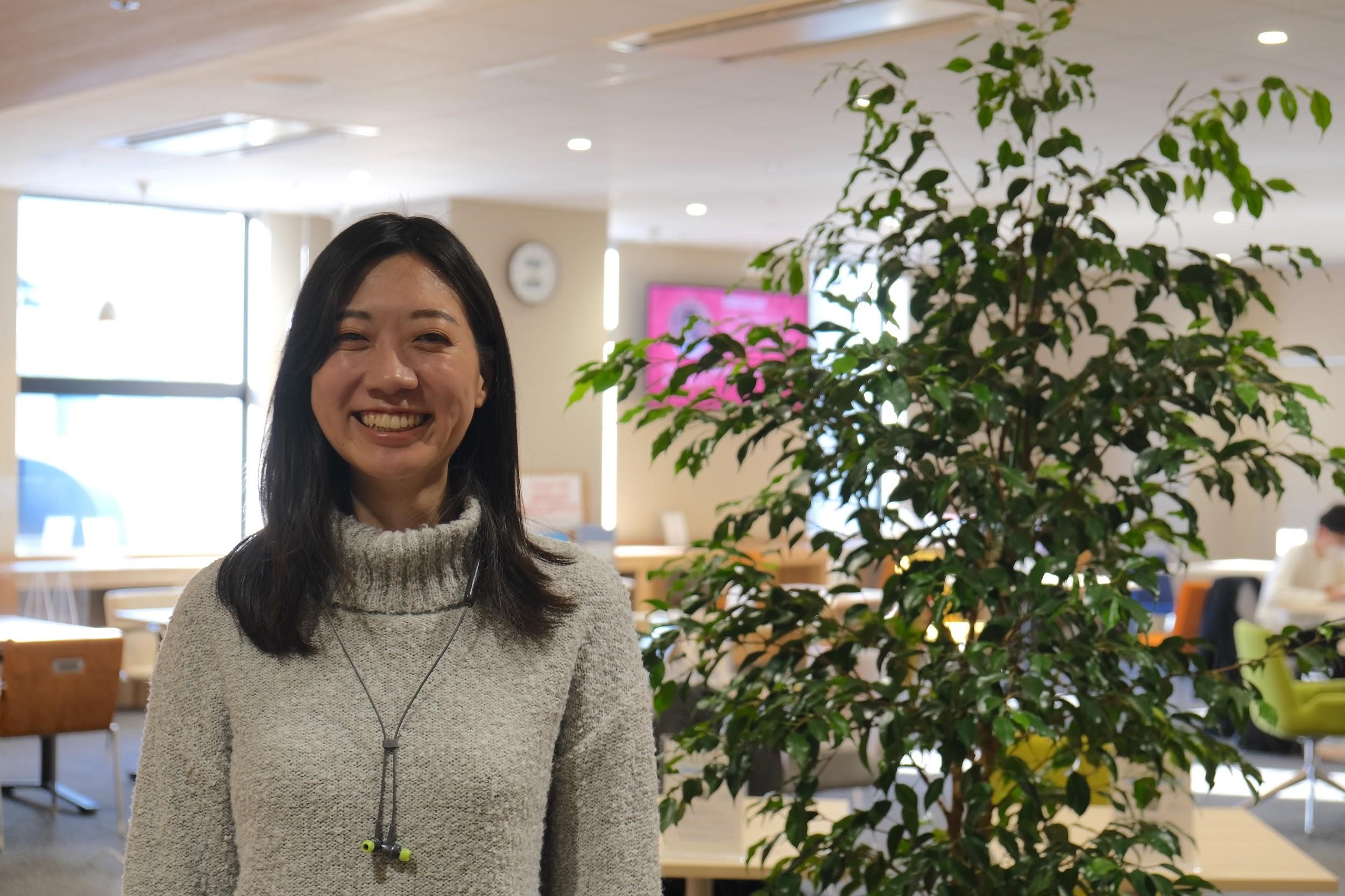


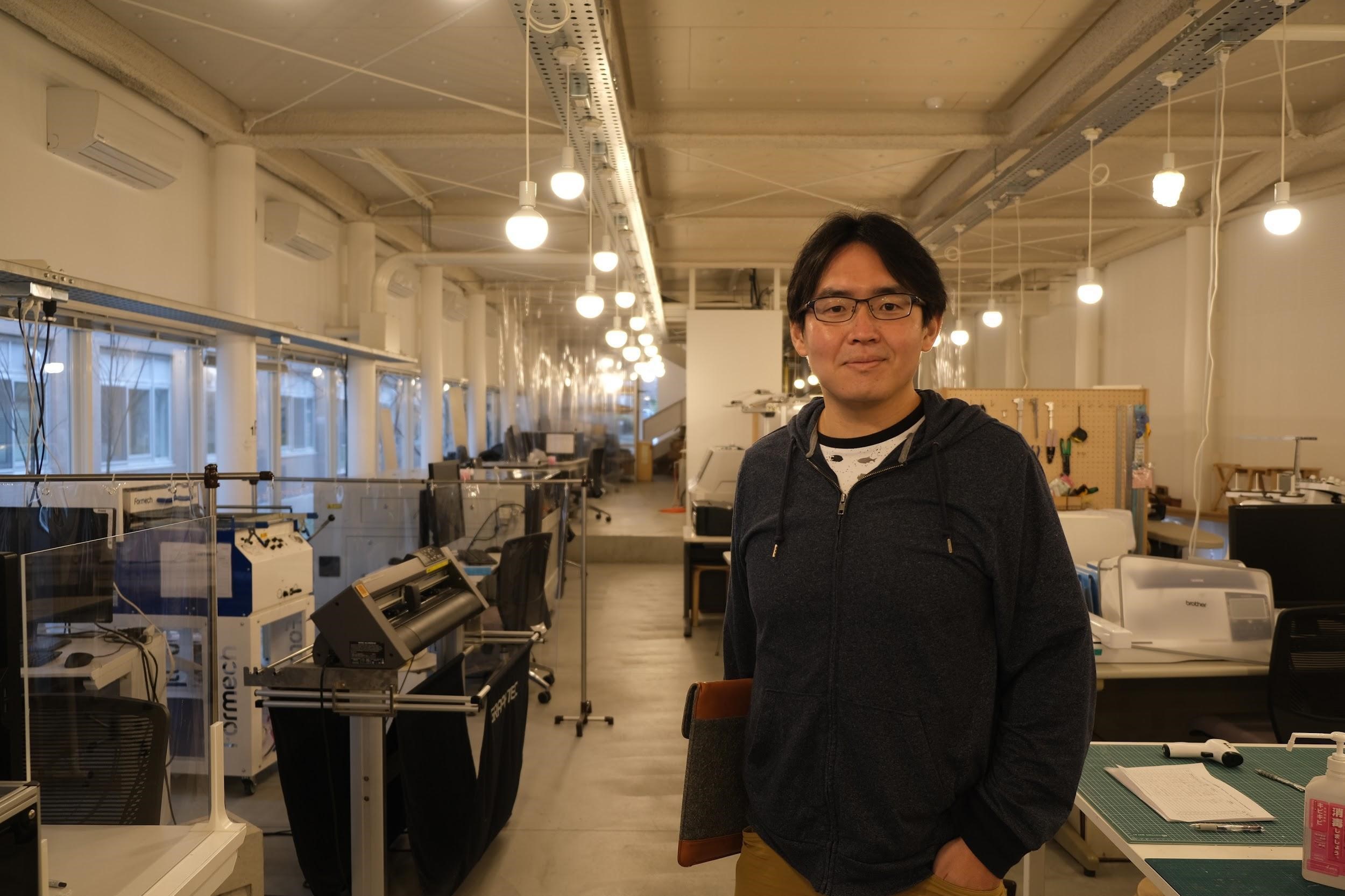
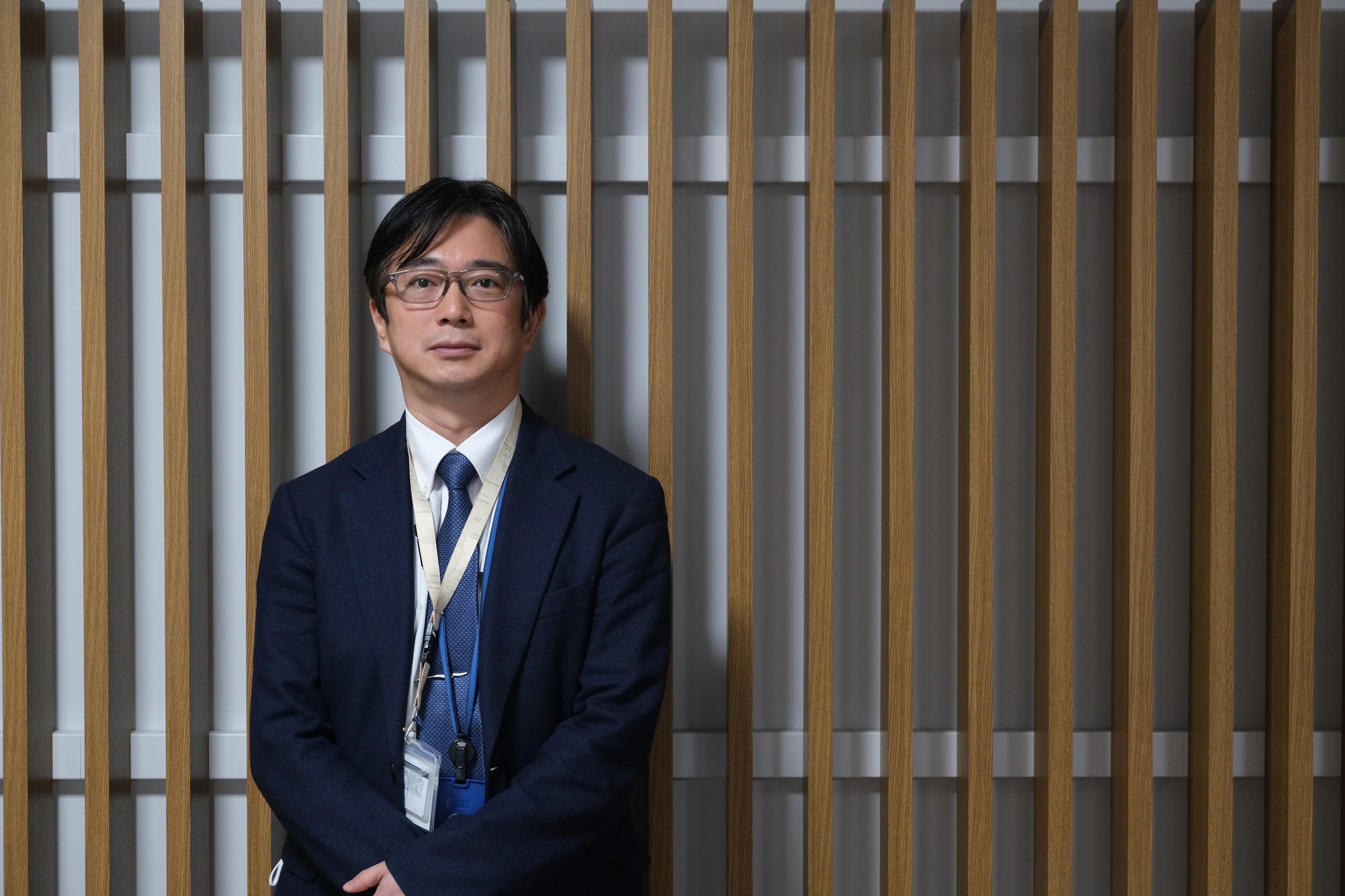
Kyoto Unique Venue “Special Event Space”
By utilizing locations such as regional historic buildings and cultural facilities, unique venues combine distinctive cultural ambiance with added value, creating an integrated space that offers extraordinary experiences not available in conventional settings.


01Old Mitsui Family Shimogamo Villa
Located just south of the UNESCO World Heritage Site Shimogamo Shrine, this former private villa of the prestigious Mitsui family is an Important Cultural Property of Japan. Surrounded by tranquil greenery, the elegantly preserved modern Japanese-style residence—featuring a distinctive three-story watchtower—offers refined garden views and an atmosphere of quiet exclusivity.
Ideal for intimate VIP dinners, private meetings, and cultural experiences in an exceptional heritage setting.
- Available Hours
-
9:00 a.m. to 5:00 p.m.
To be arranged upon request


02Koun-tei House (Nijo-jo Castle)
A historic structure located within Seiryu-en, a Japanese-Western hybrid garden inside the UNESCO World Heritage site Nijo Castle.
This distinguished tea house was relocated from the residence of the early Edo-period merchant Suminokura Ryoi, and is a rare surviving example of traditional architecture. While the interior is usually closed to the public and can only be viewed from the outside, exclusive rental allows up to approximately 30 guests, who may enjoy dining while overlooking the expansive Japanese garden.
The picturesque garden and pond create a refined setting for meetings, receptions, and other special events. Premium programs combining traditional performing arts (such as Noh) with digital art and dining have also been held here.
Within the tranquil atmosphere of Nijo Castle’s historic gardens, this venue offers a rare opportunity to experience an exceptional space that is normally inaccessible—creating a memorable and seasonally immersive moment beyond everyday life.
- Available Hours
- To be arranged upon request


©植彌加藤造園
03Murin-an
A masterpiece of a modern Japanese garden located in Kyoto’s Okazaki district and designated a National Place of Scenic Beauty in the Showa era.
Created by the renowned 7th-generation landscape master Ogawa Jihei, the immaculately maintained garden is enjoyed alongside elegant sukiya-style architecture, offering an atmosphere of refined privacy and understated luxury.
Available for exclusive use for private lunches, meetings, tea gatherings, and cultural events. Upon request, expert garden explanations by a professional gardener are available, including in English.
After-hours evening use with special illumination creates an exceptional private setting, ideal for prestigious corporate or brand events.
- Available Hours
-
After closing to 10:00 p.m. (full clearance by 10:00 p.m.)
Main house (2nd floor) and tea room: Exclusive use available from 9:00 a.m. to 5:00 p.m.
Financial support system
Unique Venue Utilization and Financial Support for Event Planning
Kyoto City offers a variety of support programs for organizers hosting corporate meetings, training sessions, international conferences, academic conferences, and events (MICE). These programs are designed to help maximize the unique appeal of Kyoto and make the most of the city’s distinctive attractions.
When using unique venues such as temples, shrines, museums, or historic buildings, we provide subsidies to cover a portion of the costs associated with venue setup and utilization. Hosting events at special locations such as World Heritage sites or Important Cultural Properties leaves a strong impression on participants and enhances the overall value of the event.
We provide a broad menu of support measures, including grants linked to the number of participants staying overnight, as well as initiatives that promote environmental sustainability.
For information on eligibility requirements and application procedures for support programs, please feel free to contact us at the address below.
Contact
Kyoto Convention & Visitors Bureau
kyoto@hellokcb.or.jp
Startup Visa
Kyoto Overseas Business Center, in cooperation with Kyoto Prefecture, Kyoto City, and JETRO Kyoto supports not only issuing visas but also (1) Giving advice from specialists regarding market information on manufacturing, life innovation, social business, and so on, (2) Consulting for incorporation by administrative scriveners, judicial scriveners, etc. (3) Providing co-working space for free or rent.
